
Southampton County Current Owner Record
The best owner-of-record lead in Southampton County is the assessment information kept by the Commissioner of the Revenue. The InteractiveGIS parcel layer is the way in. The parcel card's exact fields vary. Ask which owner, mailing, situs, parcel, value, acreage, and transfer entries it displays. The roll refreshes on no published schedule. Compare any name against the latest deed in COVERS, because an assessment update can trail a closing.
| Assessed owner | Ask the Commissioner or inspect the GIS card; exact display not verified |
|---|---|
| Mailing address | Tax-notice destination, which may differ from the property's site |
| Situs | Physical location used to identify the parcel |
| Parcel identifier | Copy the GIS key as shown; local format is unpublished |
| Latest deed | Confirm grantee, recording date, and legal description in COVERS or with the clerk |
| Assessment timing | Refresh schedule and closing-to-roll lag were not published |
An owner of record is the party named in one record, not necessarily the person living on the parcel. A mailing address tells you where tax notices go. It is not proof of residence. Keep the date and source with every name you use, so a stale roll entry never passes for a fresh deed.
Southampton County Closing Dates and Roll Timing
A new transfer creates four separate dates. Write down the deed's execution date, the clerk's recording date, the assessment update date, and the date you searched. They are not the same point in time. A closing can precede recording, and the assessment display can change weeks later. Southampton County does not publish the interval from a recording to a roll update. Ask before you assume. When the question is who received a recent conveyance, read the newest deed. Do not treat the older assessment name as final.
COVERS publishes no online cutoff and no image schedule. A recent deed may still be visible from home. Before planning around that, ask the Clerk whether an image can be opened, whether a public terminal is required, and what a copy costs. The same questions cover older indexes. Do not infer a cutoff from another county's portal. Southampton's own clerk sets the rules.
When records disagree, keep an audit trail. Note the parcel key exactly as displayed, the assessment owner and mailing address, the latest deed's grantor and grantee, and its execution and recording dates. Add the date you viewed each source. Context beats picking one name cold. The Commissioner of the Revenue sits at 26022 Administration Center Drive in Courtland, reachable at 757-653-3030 and 757-653-3033. Ask which assessment fields are current and whether an older card or history exists. The Circuit Court Clerk is at 22350 Main Street in Courtland, mailing address P.O. Box 190, open weekdays 8:00 a.m. to 4:30 p.m. Call 757-653-2200 before traveling.
Southampton County Entity Grantees
A Southampton County grantee is not always a person. The deed may name an LLC, corporation, trust, estate, or fiduciary. Copy the name exactly as written. Virginia SCC's Clerk's Information System can show entity status, a registered agent, principal-office details, and filings when available. That filing explains a legal name. It does not show that the registered agent owns the parcel. Confirm the land interest in the recorded instrument itself.
A trust deed may name a trustee in a stated capacity. An estate file points to the executor or administrator and any deed of distribution or conveyance by heirs. Never trust a shortened tax-mail name. Compare it to the instrument first. The Virginia SCC business filing search offers a separate way to check a company name's spelling and status.
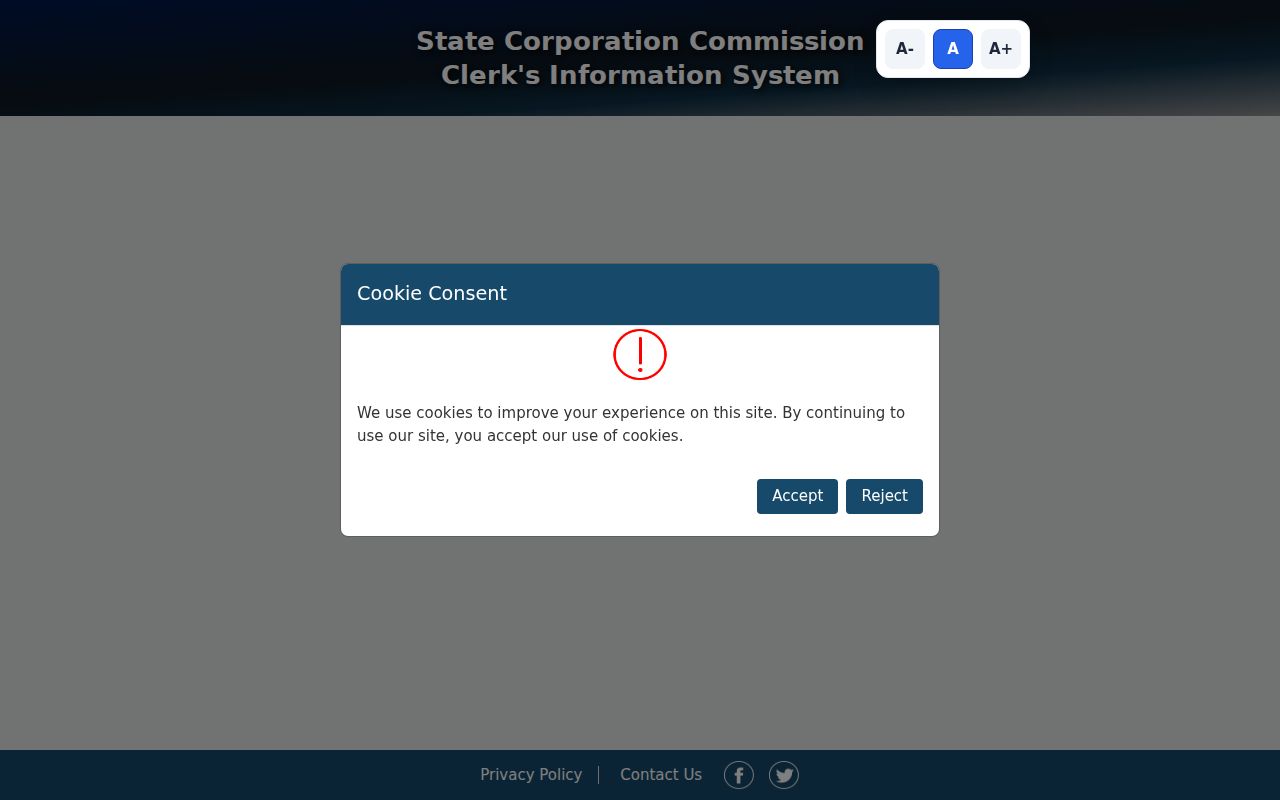
Use the state result to identify the entity. Verify its land interest in the Southampton County deed records rather than assuming the registered agent owns the parcel.
Southampton County Probate and Ownership
Probate work at the Circuit Court Clerk is by appointment. The file may hold a will, fiduciary qualification, inventory, and accounts. It may also hold heir information and authority to sell. The land record tells the rest. It may later show an executor's deed, administrator's deed, or deed of distribution. A death certificate aids a search. It does not transfer real estate on its own. If the parcel still shows a deceased owner, check the probate file and the latest deed. Do not call the record wrong before that.
Older estates have their own guides. LVA's microfilm list covers wills, bonds, guardianship records, commissioners, and court books. Brantley indexes early books through the late 1880s, and loose papers may sit separately. The estate record explains authority. The deed records the land transfer. The Virginia Department of Health's vital-record FAQ explains who may request vital records and what identification is required.
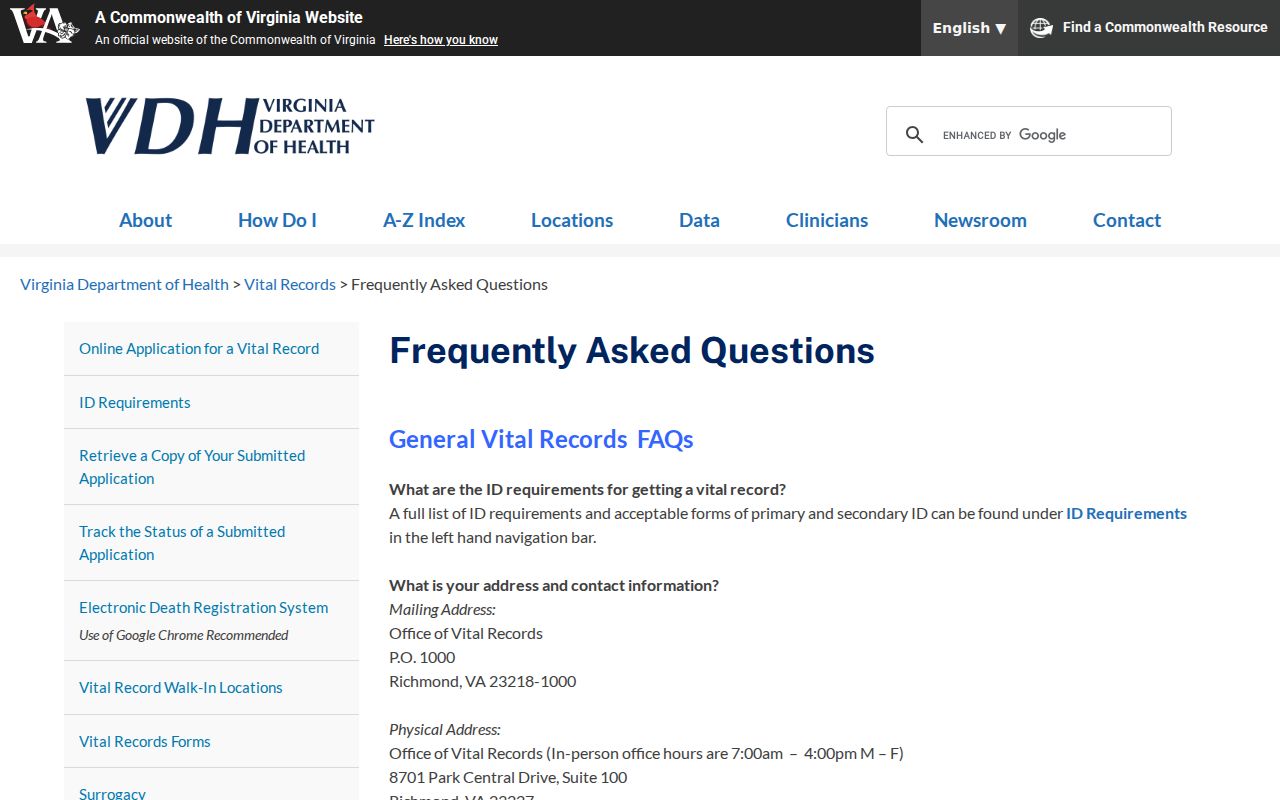
A vital record can help locate an estate. Eligibility rules and a death entry are no substitute for probate authority or a recorded land transfer.
Confirm the Current Southampton County Owner
A recorded deed settles the argument. When the Southampton County tax roll disagrees with a recent sale, pull the most recent deed. Note two dates separately: execution and recording. The recording date is the public filing point. Read the grantee and vesting language closely. Then compare the instrument's legal description against the parcel you selected. Keep in mind the deed can be newer than an assessment update. Southampton publishes no typical update lag. Before calling an old owner-of-record field an error, check both the clerk record. Also check the Commissioner's entry.
- Locate the parcel in InteractiveGIS and note the assessed owner field if the card displays it.
- Call the Commissioner at 757-653-3030 or 757-653-3033 if the current card or assessment history is needed.
- Check the latest deed through COVERS or the Circuit Court Clerk at 757-653-2200.
- Match the deed's parties and legal description to the same parcel; check the state business filing if an entity is named.
- Owner of record
- The party an office record names; the phrase alone does not prove occupancy.
- Vesting
- The way the grantee holds an interest, as stated in the deed.
- Registered agent
- A business contact listed in SCC filings, not automatically a landowner.
Southampton County Tax Records as a Cross-Check
The Southampton County Treasurer's e-services include several tools. They offer a real-estate inquiry, a payment route, yearly paid history, and e-bill options. A tax bill answers billing questions, not ownership. Use it to confirm what was charged and paid. The county itself warns that balances may omit payments or adjustments still in transit. If a fresh closing hinges on a bill, ask the Treasurer to confirm the account. Keep the payment record too. A tax entry may show a different mailing address or a shortened name. That changes nothing about the deed. For the land description and grantee, trust the latest recorded instrument. For assessment questions, ask the Commissioner. This separation keeps a billing mismatch from becoming a false ownership conclusion.
Southampton County Deed Alert Questions
Virginia's 2025 deed-fraud study flags notice diversion through changes to mailing addresses or owner names and describes a statewide alert initiative for participating circuit clerks. Southampton's participation is not established. Ask the Circuit Court Clerk directly whether an alert program is active, which filings it monitors, and how to enroll. If a deed record looks wrong, verify it in the official land record. Then contact the clerk using the court's listed number.
The clerk's published page lists 22350 Main Street in Courtland, phone 757-653-2200, and hours from 8:00 a.m. to 4:30 p.m. Call before visiting. Marriage licenses and probate require appointments, so ask separately about land-record terminal access and copies.
Southampton County Owner Records and Privacy
A tax-mail address is the right public-record route for a property matter. Not every personal detail is open. Virginia's voter registration lists exclude protected items. The Safe at Home program gives qualifying participants a substitute address and mail-forwarding protection. Vital records such as death certificates carry eligibility and ID limits. Land documents may include names and mailing addresses for notice purposes. SSNs are not ordinary property search fields. The Virginia Department of Elections runs a voter self-service portal for voter-record tasks. That state system is not an owner directory. Protected registration information should never be treated as a property-search target.
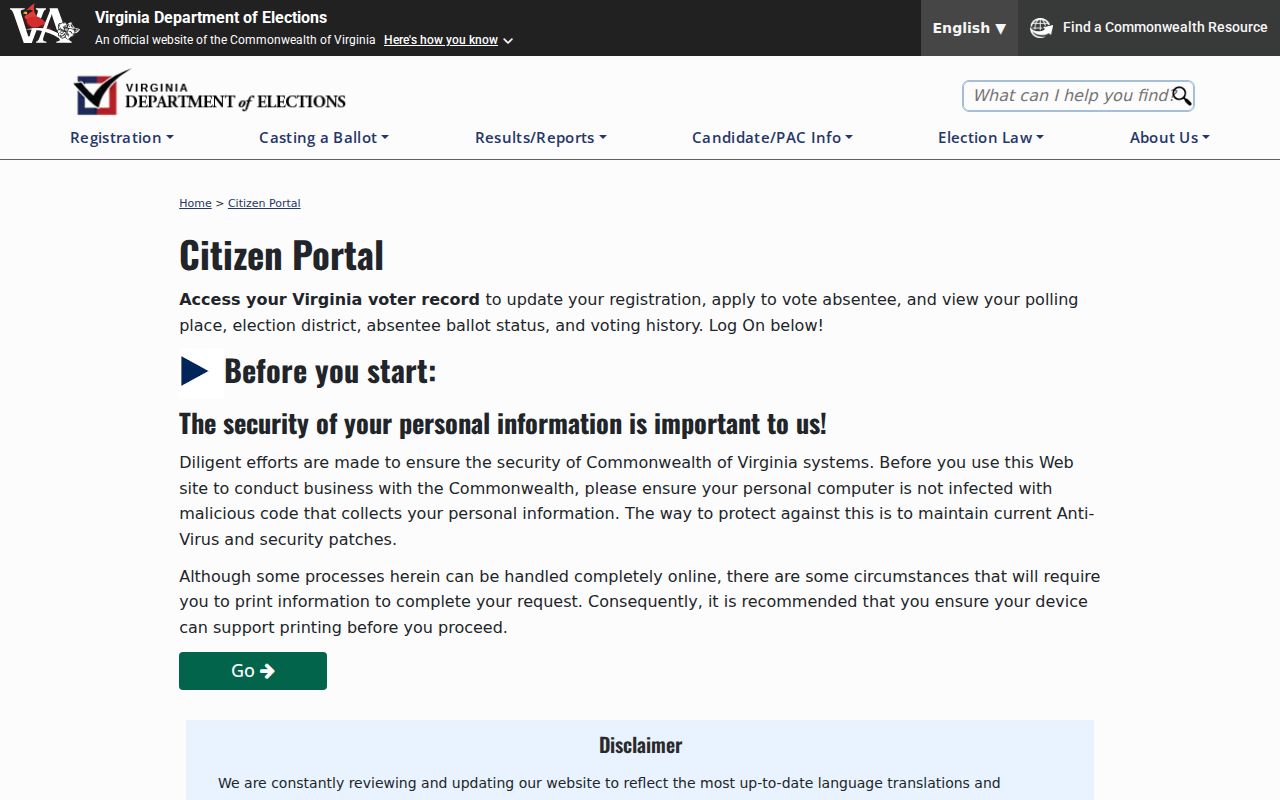
Southampton County keeps voter rolls and deed records separate for good reason. Owner-of-record details belong to property and public-record purposes, so keep land-record lookups in that lane and let voter registration serve its own function.
Lawful use. Use owner information for a focused property or public-record matter. Do not use a name or mailing address to stalk, intimidate, or harass anyone.